


In the Spotlight
Events at St. Andrew
Adult Education Class
Sanctuary in Our Time & Place
What does sanctuary mean for our age and for our church? The class will reflect on migration forces, facts, and trends, scriptural imperatives to welcome the stranger. our own experiences of needing sanctuary, and contemporary immigrant stories. This class meets in Fellowship Hall.
Earth Camp 2024: June 24-28
It’s time to register your kids for Earth Camp 2024! Spots are filling up very quickly this year, so don’t wait—click here to read more about Earth Camp 2024 and to get registered.
Want to volunteer with Earth Camp? Contact Camp Director Kyler Vogt.
Andy’s Room, St. Andrew Podcast
Earth Care Fair: Sunday, April 21, 2024
Fellowship Hall, 10:30 am-12:00 pm
Browse information tables and talk to experts during this multigenerational program to discover strategies you can implement to combat climate change. The event includes activities for young people, wonderful prizes, lots of handouts and resources, and the opportunity to empower yourself. Explore everything from plant-based eating to smarter clothing choices, from the benefits of trees to disaster preparedness.
12:00 pm Special Event: Design Your Own Eden
Rethink, reimagine, and re-envision your outdoor space with Isaac Brocker.
Want more? Read the St. Andrew Weekly News.
Click here to receive links to online worship in your email
Worship
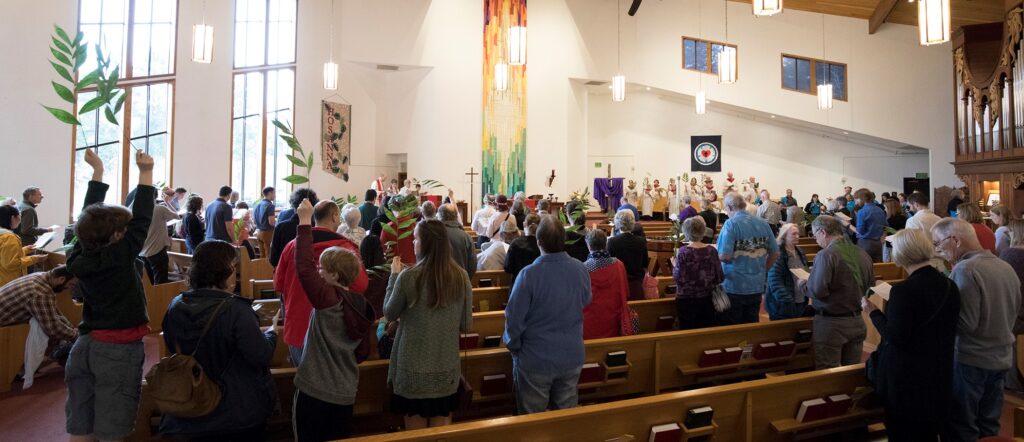
We worship in our beautiful Sanctuary, Chapel, and Sanctuary of the Firs. Worship is vital to our community; we worship together on Sunday mornings at 9:30, in person, on YouTube Livestream, and on Zoom. Click on the “Get Connected” button to receive the links for online worship.
Adult Education
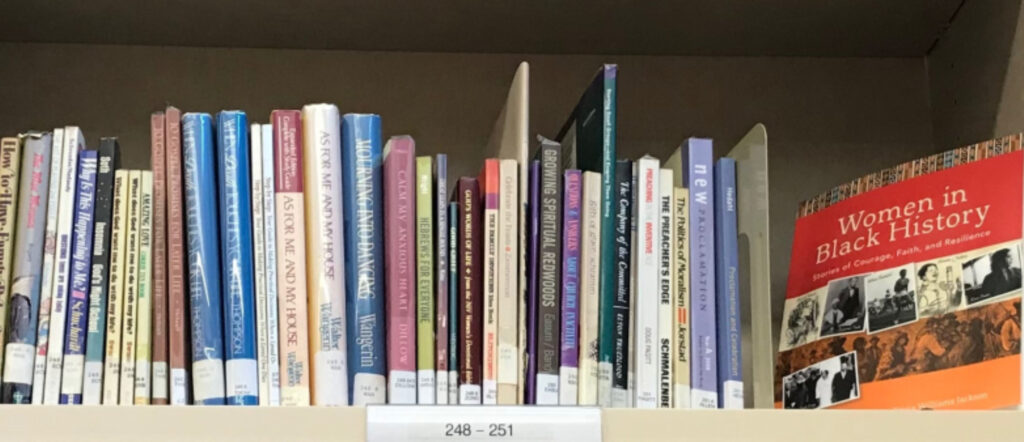
“If adult education does not become a priority for a congregation, at some point that congregation will cease to exist because its members will simply not know or understand the purpose of the congregation and their role in fulfilling that purpose.” —Neal Boese, Blueprint for Change, page 83.
Children & Youth
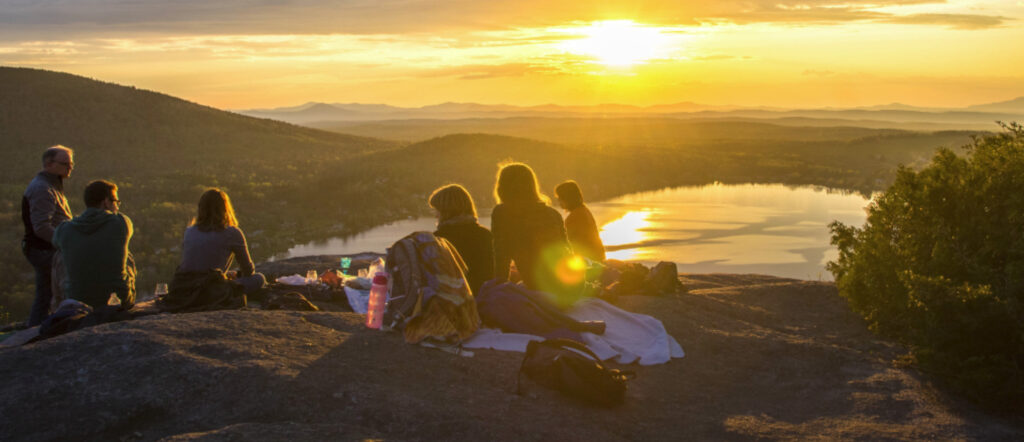
Children are not the “future” of the church; they ARE the church. Our Director of Next Generational Ministry, Kyler Vogt, is continuing to connect children, youth, and adult mentors during this time when connection is more important than ever.





Practicing Resurrection
Resurrection is the very essence of the nature of God, a call to life and a daily invitation to live with hope, mercy, love. Practicing resurrection is hard work, perhaps especially for ourselves but particularly for the broken world all around us. Pope Francis practices resurrection when he reminds us to “see the faces” and then embraces the weakest and most vulnerable in actions of affirmation and hope, mercy, and grace.
Read more…
Recent Sunday Sermon
Click on this video to watch a recent Sunday Sermon. Want more? Check out our Sermons page or YouTube channel.
Recent Sunday Worship
Click on this video to watch a recent Sunday Worship Service. Please join us this coming Sunday for online worship at 9:30, either Livestream or Zoom. Get the links to both by clicking on the blue “Get Connected” button.